
Description
Fire Door is a specialized component engineered to contain and control flames, high heat, and pressure within combustion chambers such as industrial furnaces, boilers, and incinerators. Constructed from high-temperature-resistant materials like cast iron or fire-rated alloys, fire doors play a critical role in enhancing combustion efficiency while ensuring safety in high-heat environments.
Fire Door Features
High-Temperature Resistance
Withstands combustion temperatures exceeding 1,000°CRobust Construction
Built from cast iron or heat-resistant metals to endure pressure and direct flame exposureFlame and Smoke Containment
Prevents heat and flame from escaping, reducing fire hazards and energy lossAirflow Regulation
Enables precise air control to optimize combustion and reduce fuel consumptionEasy Maintenance and Replacement
Designed for quick servicing and part replacement to minimize downtime
Types of Fire Doors
Insulated Fire Door
Features thermal insulation to reduce surface heat buildupCast Iron Fire Door
Heavy-duty and highly heat-resistant, suitable for high-pressure applicationsSliding Fire Door
Space-saving design with horizontal movement for easy operation in compact areasAutomatic Fire Door
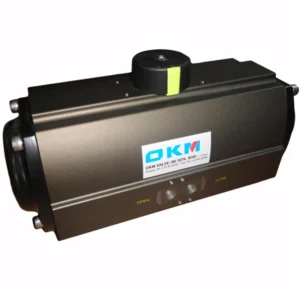
Operates via electric or hydraulic systems for remote control and automationManual Fire Door
Simple hinged or lock-based operation, ideal for low-maintenance environments
Applications of Fire Doors
Boiler Furnaces
Controls internal combustion and prevents heat/flame escape in steam generation systemsBiomass Furnaces
Enhances combustion safety and efficiency in renewable fuel systemsHeavy Industrial Plants
Used in steel furnaces and incinerators to handle extreme heat and prevent accidentsRenewable Energy Plants
Integrated into biomass and solid-fuel power plants for flame containmentPetrochemical & Oil Refineries
Installed in refinery furnaces to reduce fire risks and maintain thermal integrity
Advantages of Fire Doors
Ensures flame and pressure containment within combustion systems
Prevents heat and gas leakage, improving safety and thermal efficiency
Optimizes fuel usage through regulated air intake
Enhances operational safety in high-risk thermal environments
Adaptable to both manual and automated systems for various industrial needs