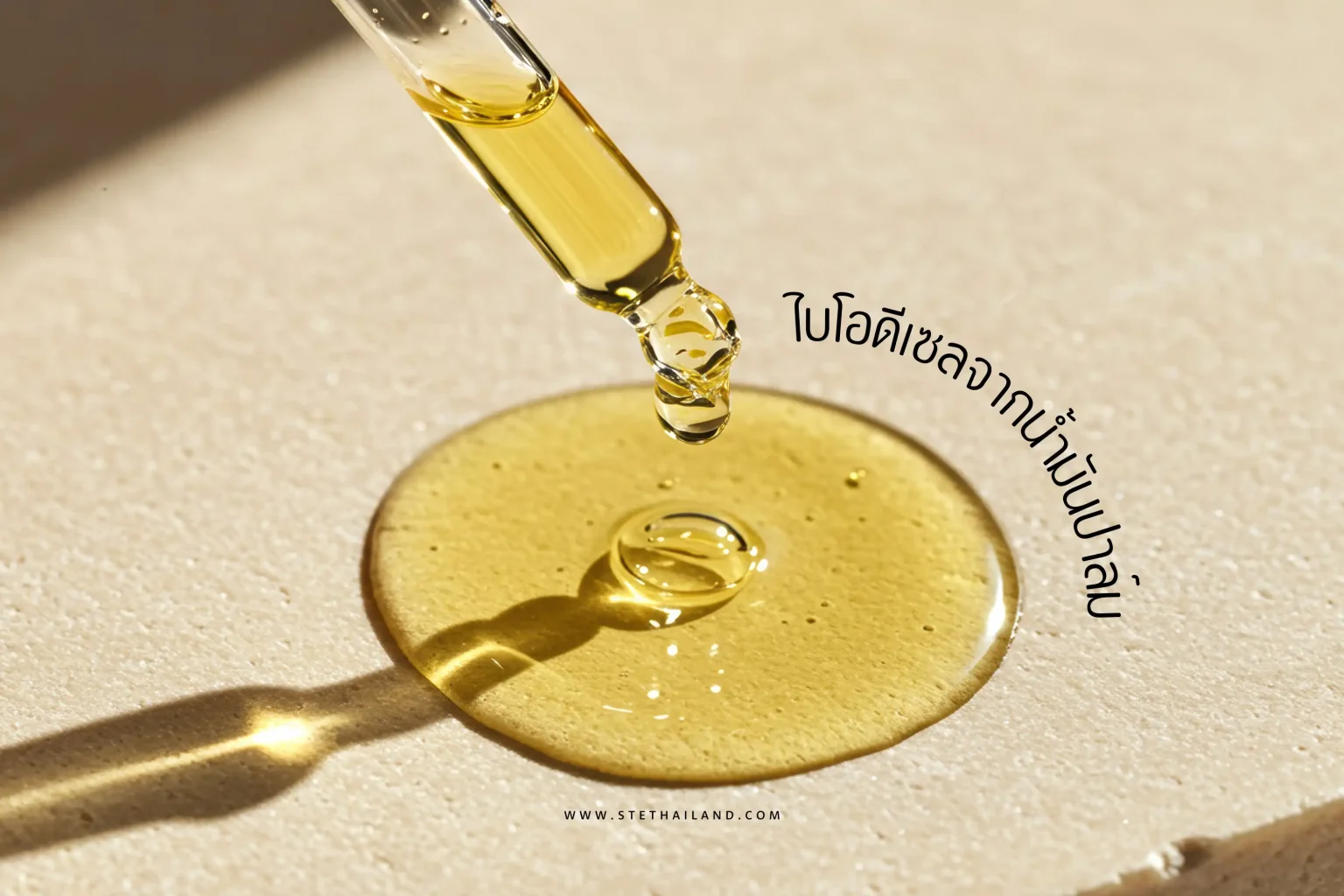
Biodiesel derived from palm oil is an increasingly popular alternative energy source, recognized for its role as a clean fuel that helps reduce greenhouse gas emissions and lowers dependence on fossil fuels.
Today, many countries are placing strong emphasis on promoting the use of palm-based biodiesel as a means to support the sustainability of the energy sector and mitigate environmental impacts.
This article will explore the production process, benefits, and future trends of palm oil biodiesel as part of the global shift toward sustainable energy.
Topic
What Is Palm Oil Biodiesel?
Palm oil biodiesel is a type of biofuel produced from crude palm oil (CPO) or palm oil-derived fatty acids through a process called transesterification. This chemical process converts the oil into fatty acid methyl ester (FAME), which can be used as a fuel in diesel engines.
Palm Oil Biodiesel Production Process
1. Extraction of Crude Palm Oil (CPO)
Fresh fruit bunches (FFB) from oil palm trees are processed to extract crude palm oil, which serves as the primary feedstock for biodiesel production.
2. Transesterification Process
The CPO undergoes a reaction with alcohol (commonly methanol) in the presence of a catalyst such as sodium hydroxide or potassium hydroxide.
This chemical reaction produces fatty acid methyl ester (FAME)—the main component of biodiesel—and glycerin as a by-product.
3. Separation of Glycerin and Biodiesel Refining
The glycerin and other impurities are removed to purify the biodiesel, resulting in a high-quality, engine-ready biofuel.
Benefits of Palm Oil Biodiesel
Reduces Greenhouse Gas Emissions
The combustion of biodiesel emits significantly less carbon dioxide (CO₂) compared to conventional diesel, helping mitigate global warming.
Compatible with Existing Diesel Engines
Palm biodiesel can be used in standard diesel engines without modification.
It is also compatible with blends such as B5 (5% biodiesel) and B10 (10% biodiesel).
Reduces Dependence on Fossil Fuels
Biodiesel production helps reduce reliance on imported fossil fuels, strengthening national energy security.
Biodegradable and Eco-Friendly
Palm biodiesel is biodegradable, causing less harm to soil and water systems in the event of spills or improper disposal.
Supports Agricultural Economies
Biodiesel production adds value to the palm oil industry and enhances income opportunities for oil palm farmers.
Challenges and Limitations of Palm Oil Biodiesel
Higher Production Costs
Compared to petroleum diesel, biodiesel production is more expensive due to processing and raw material costs.
Land Use Change Concerns
Expansion of oil palm plantations may lead to deforestation and threaten biodiversity if not managed sustainably.
Price Volatility
Palm oil prices fluctuate in global markets, which can affect biodiesel pricing and supply stability.
Environmental Standards and Regulations
Producers must meet strict sustainability standards, such as RSPO and ISCC, which require investments in compliance and transparency.
Future Outlook for Palm Oil Biodiesel
Improved Production Efficiency
New technologies, such as enzyme-based processes and nanocatalysts, are being explored to lower costs and boost yield.
Government Support and Green Policies
Many countries now mandate the use of biodiesel blends (e.g., B10, B20, B100) to promote cleaner energy alternatives.
Development of Advanced Biodiesel
Research is expanding into next-generation biofuels, such as Hydrotreated Vegetable Oil (HVO), which offers superior performance over conventional biodiesel.
Rising Global Demand
As nations move toward net-zero carbon goals, global demand for sustainable biofuels, including palm biodiesel, is expected to grow significantly.
Conclusion
Palm oil biodiesel is a promising alternative energy source with strong potential to reduce pollution, support rural economies, and enhance energy sustainability.
Although the industry faces cost and environmental challenges, ongoing technological innovation and increasing government support make palm biodiesel a key component of the transition to clean and renewable energy in the future.
Contact us
- Address
- Satun Branch : 86/52-53 Satyaphiban Road, Phiman Subdistrict, Mueang District, Satun Province 91000
- Krabi Branch : 187/10 Moo 2, Khlong Marui Subdistrict, Ao Luek Tai Subdistrict, Ao Luek District, Krabi Province 81110
- Facebook : อุปกรณ์สวนปาล์ม / อะไหล่เครื่องจักรโรงงานสกัดน้ำมันปาล์ม
- LINE : @stethailand
- Phone Numbers
- Sales Department : 081-7986338, 095-3694956
- Construction Department : 081-8969607, 095-3694956
- Palm Oil Equipment Department : 086-9646503
- Warehouse Department : 080-5388075
- Tiktok : stesatun
- Lazada : STE Thailand
- Shopee : STE Thailand
- Map :


Related Articles



Our Products