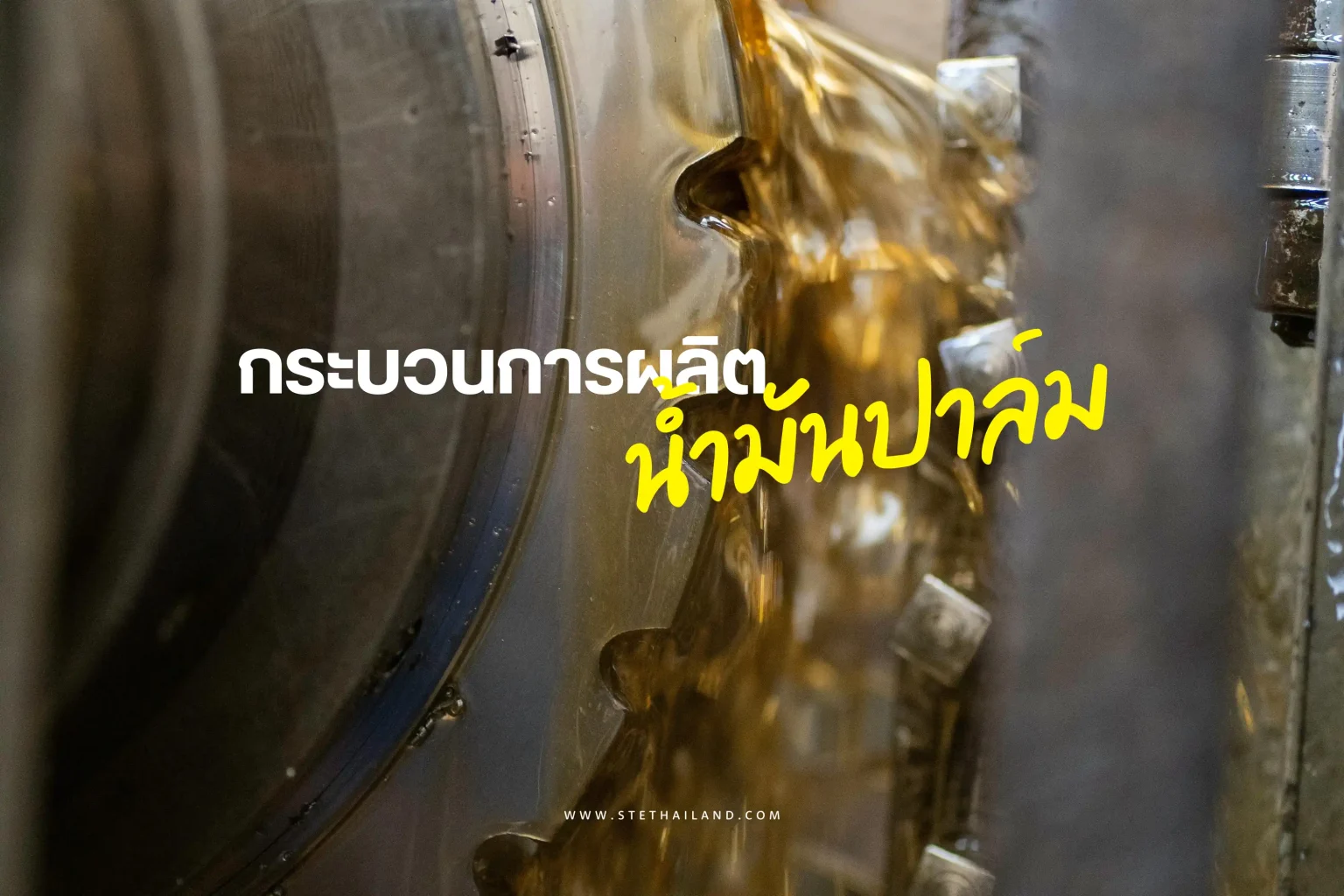
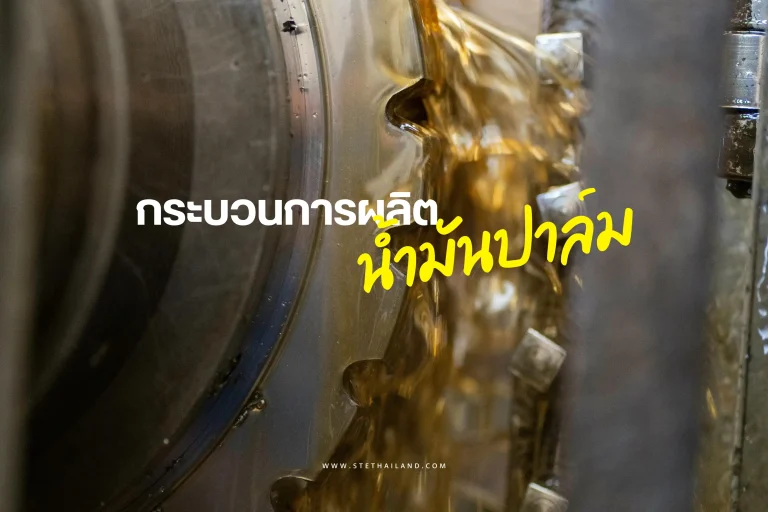
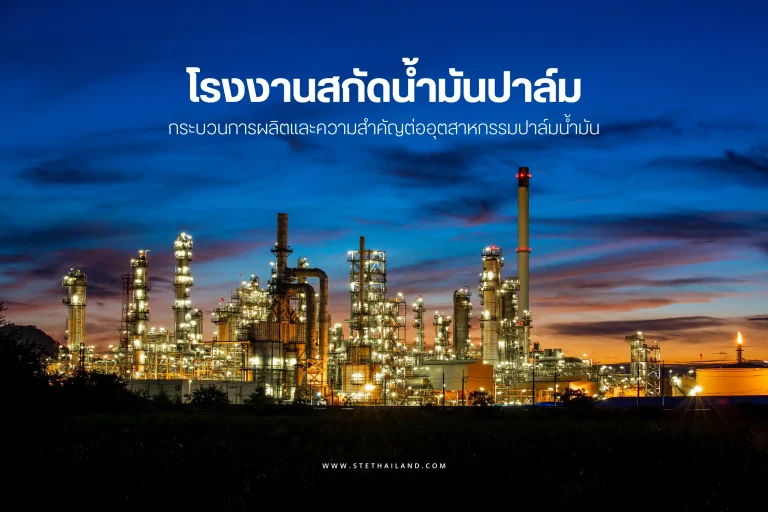
The palm oil production process is a crucial stage in converting oil palm fruit into Crude Palm Oil (CPO) and Palm Kernel Oil (PKO), both of which are essential for the food, energy, and cosmetics industries.
Producing palm oil requires advanced technology to ensure high-quality output while minimizing waste and environmental impact.
This article will guide you through the step-by-step palm oil production process, from harvesting to refining.
Topic
Palm Oil Production Process: From Harvesting to Refining
1. Harvesting Fresh Fruit Bunches (FFB)
Ripe oil palm fruit bunches are harvested using either sickles or automated machinery.
To maintain oil quality, the harvested fruit must be delivered to the mill within 24 hours to prevent the formation of free fatty acids (FFA).
2. Sterilization
FFBs are steamed at high pressure, around 140–150°C, for 60–90 minutes.
This step deactivates lipase enzymes that cause FFA buildup, reduces moisture content, and loosens the fruits from the bunches.
3. Threshing
A threshing drum separates the fruits from the empty fruit bunches (EFB).
The leftover EFBs can be repurposed as organic fertilizer or biomass fuel.
4. Pressing
The separated fruits are fed into a screw press to extract oil.
The crude oil produced at this stage contains fiber, water, and solid residues, which require further clarification.
5. Clarification
The extracted oil is processed through a clarification system to remove sediment, moisture, and impurities, resulting in Crude Palm Oil (CPO)—ready for refining.
6. Nut & Kernel Separation
Palm nuts remaining from oil extraction are cracked using a ripple mill to separate the shell from the kernel.
The kernels are then pressed to produce Palm Kernel Oil (PKO).
7. Refining Process
Both CPO and PKO undergo refining to improve quality through the following steps:
- Degumming & Neutralization:
Removes phospholipids and free fatty acids (FFA). - Bleaching:
Uses adsorbent materials to eliminate color pigments and oxidizing agents. - Deodorization:
Applies steam to eliminate unpleasant odors, resulting in a pure, odorless oil.
8. Waste Treatment & Environmental Management
Palm oil mills must operate efficient wastewater treatment systems, such as biological treatment ponds.
By-products like palm fiber and shells are reused as biomass fuel or turned into organic fertilizer.
Advantages of an Efficient Palm Oil Production Process
- Higher Yield and Oil Quality
Modern technology increases oil extraction efficiency and reduces production losses. - Reduced Environmental Impact
Waste management systems promote sustainable operations, such as converting palm residues into renewable energy. - Compliance with Sustainability Standards (RSPO & ISCC)
Certified mills gain stronger access to global markets by meeting internationally recognized sustainability benchmarks.
Trends and the Future of Palm Oil Production
- Integration of AI and IoT
Mills are adopting automation, AI, and IoT to optimize performance and reduce costs. - Stricter Environmental Regulations
More countries are enforcing sustainability policies, requiring mills to upgrade for eco-friendly compliance. - Shift Toward Renewable Energy
Palm oil mills are increasingly powered by biomass and alternative energy sources to reduce carbon emissions.
Conclusion
The palm oil production process is a complex but essential operation, requiring advanced technology to produce high-quality oil suitable for use in food, energy, and cosmetics industries.
From harvesting to refining, every step must be carefully managed to ensure efficiency, sustainability, and global competitiveness.
The future of the palm oil industry will rely heavily on technological innovation, environmental responsibility, and the ability to adapt to evolving global standards.
Contact us
- Address
- Satun Branch : 86/52-53 Satyaphiban Road, Phiman Subdistrict, Mueang District, Satun Province 91000
- Krabi Branch : 187/10 Moo 2, Khlong Marui Subdistrict, Ao Luek Tai Subdistrict, Ao Luek District, Krabi Province 81110
- Facebook : อุปกรณ์สวนปาล์ม / อะไหล่เครื่องจักรโรงงานสกัดน้ำมันปาล์ม
- LINE : @stethailand
- Phone Numbers
- Sales Department : 081-7986338, 095-3694956
- Construction Department : 081-8969607, 095-3694956
- Palm Oil Equipment Department : 086-9646503
- Warehouse Department : 080-5388075
- Tiktok : stesatun
- Lazada : STE Thailand
- Shopee : STE Thailand
- Map :


Related Articles


Our Products